Discover the Ecuadorian Amazon Rainforest
Explore one of the most biodiverse regions on Earth with an unforgettable
Amazon rainforest experience in Ecuador. From extraordinary wildlife and
lush tropical landscapes to ancient Indigenous cultures, the Ecuadorian
Amazon offers a remarkable journey into one of the planet’s most fascinating
natural environments.
Discover the traditions of Indigenous communities, learn about ancestral
knowledge of medicinal plants, and experience the rainforest alongside
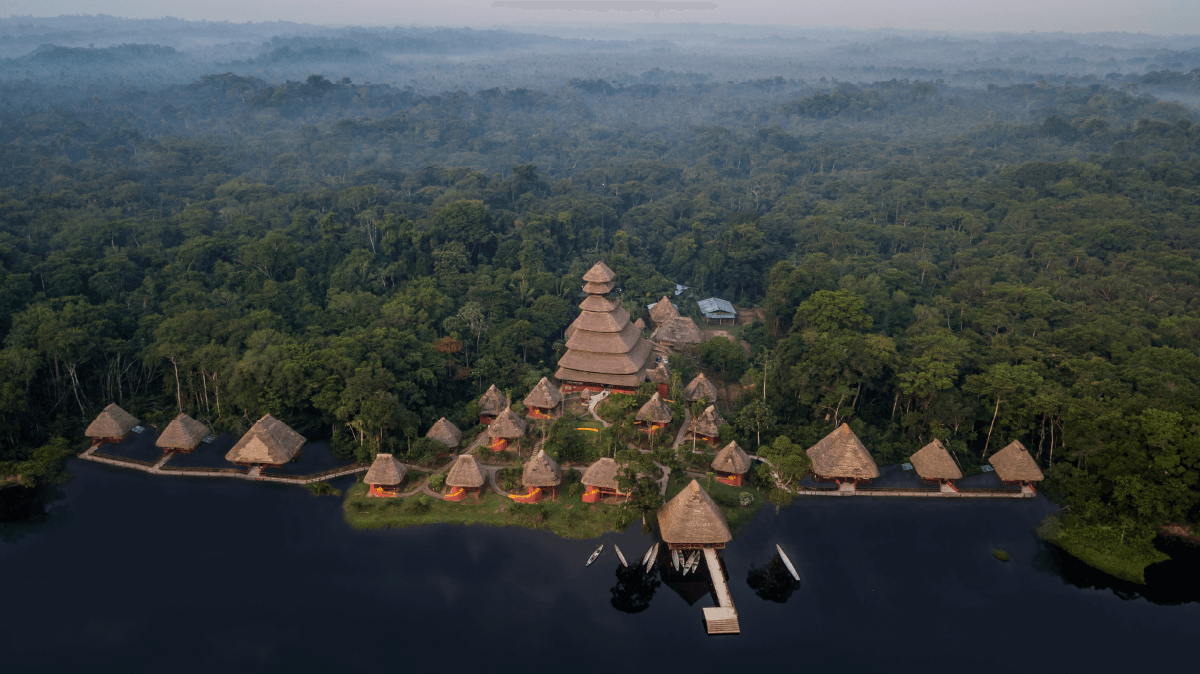
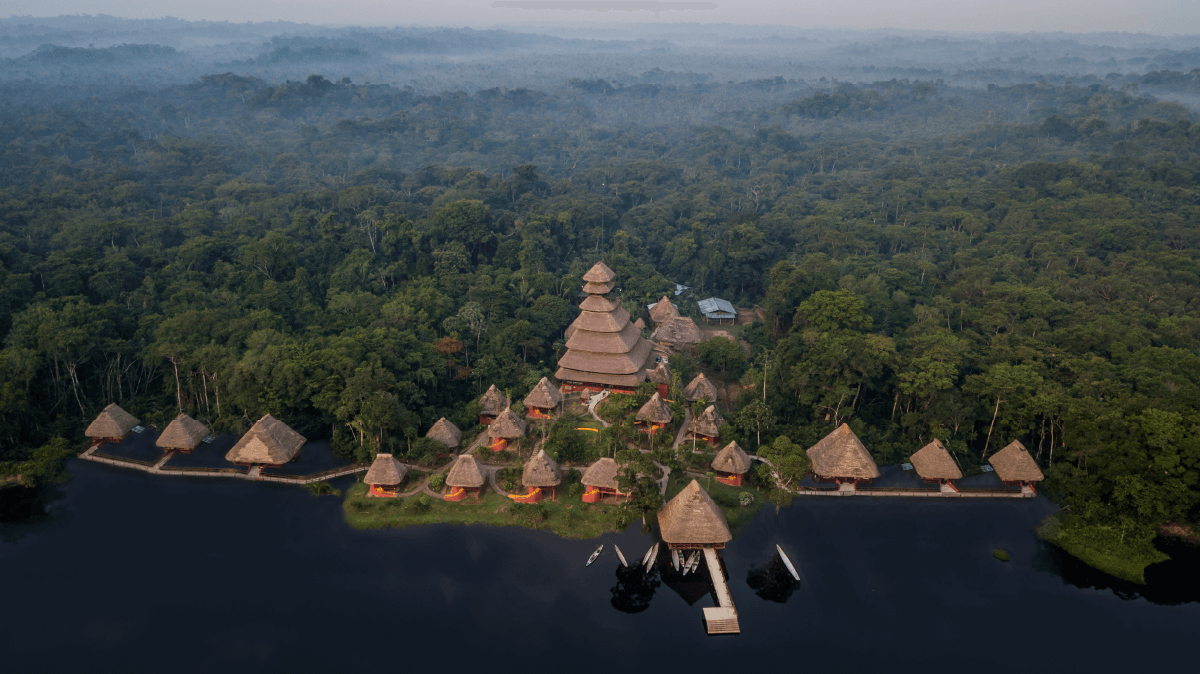
knowledgeable local guides. Whether you prefer a comfortable jungle lodge,
wildlife observation, guided hikes, or a more adventurous journey, Ecuador
offers rainforest experiences for different travel styles and budgets.
Known locally as the Oriente, Ecuador’s Amazon region is
relatively accessible from Quito. Destinations such as the
Cuyabeno Wildlife Reserve and
Yasuní National Park offer opportunities to explore tropical
forests, winding rivers, wetlands, and extraordinary wildlife.
Why Explore the Ecuadorian Amazon?
Exceptional Biodiversity
Look for monkeys, colorful birds, reptiles, amphibians, tropical fish,
and other wildlife in their natural habitats.
Indigenous Cultures
Learn about the traditions, history, and knowledge of Indigenous peoples
who have lived in the Amazon for generations.
Jungle Adventures
Enjoy guided rainforest walks, canoe excursions, birdwatching, and
wildlife observation in spectacular natural surroundings.
Unique Lodge Experiences
Choose from comfortable rainforest lodges, nature-focused stays, and
more adventurous itineraries depending on your travel preferences.
The Amazon River and Its Extraordinary Ecosystem
The Amazon Basin contains an immense network of rivers, streams, wetlands,
and tropical forests. Its waterways sustain one of the world's most important
freshwater ecosystems and support an extraordinary variety of plants and
animals.
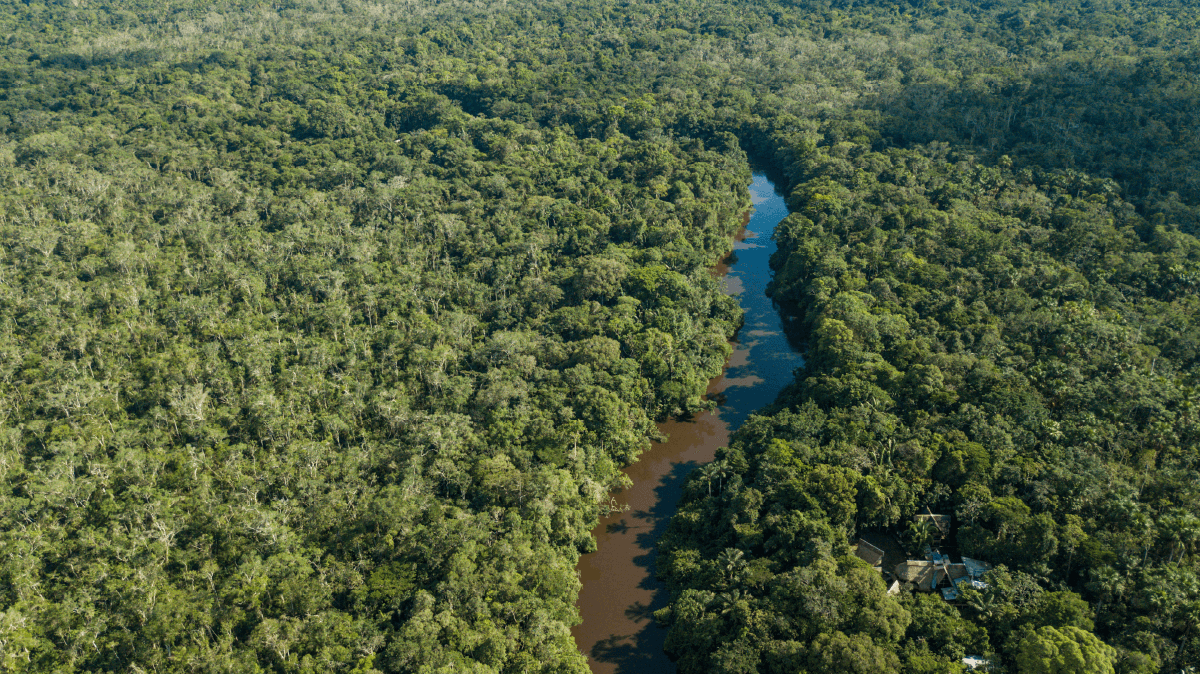
In Ecuador, the Río Napo is one of the principal rivers connecting the
country's Amazon region with the wider Amazon river system. Along its
waterways and surrounding forests, visitors can discover a landscape shaped
by seasonal flooding, rich vegetation, and remarkable wildlife.
The Ecuadorian Amazon is also home to diverse Indigenous nations, including
the Achuar, Andoa, Cofán, Kichwa, Secoya, Shiwiar, Shuar, Siona, Waorani,
and Sápara. Each community has its own history, traditions, and relationship
with the rainforest.
Wildlife & Nature
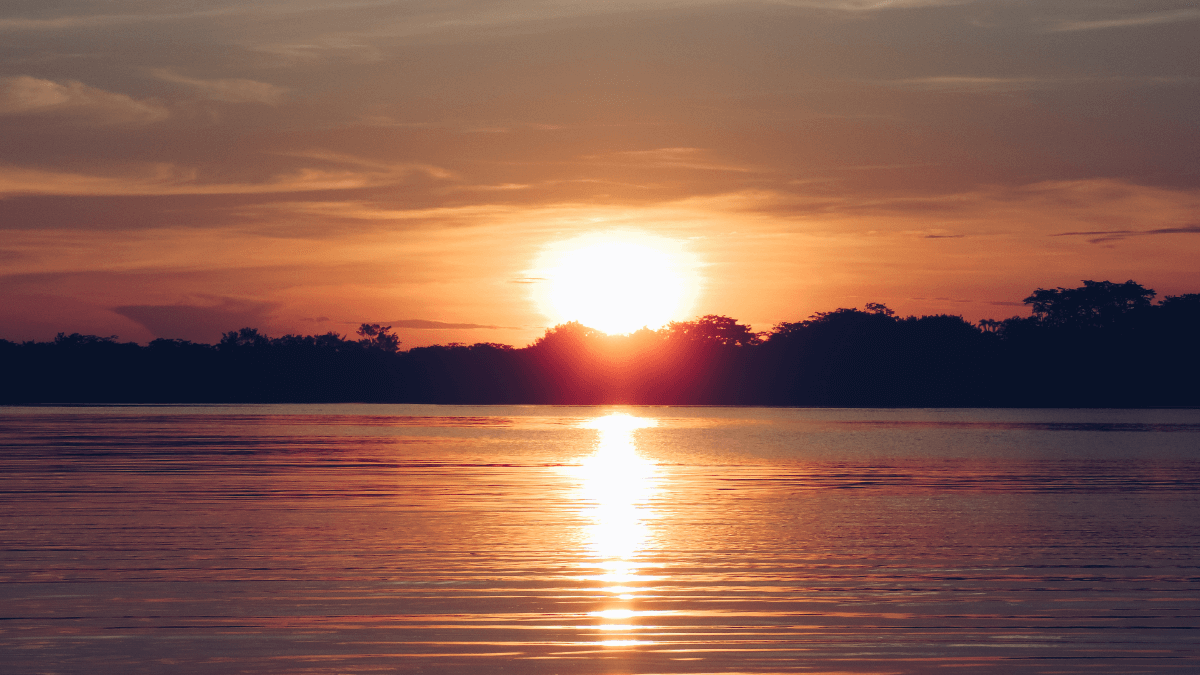
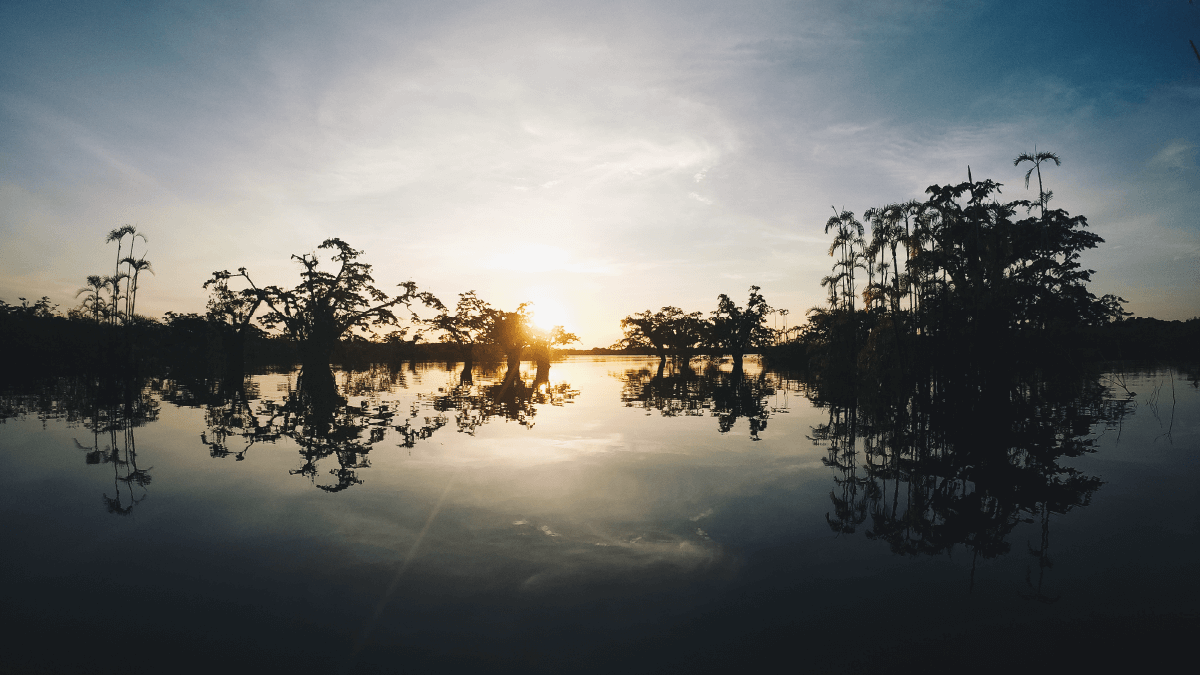
Cuyabeno Wildlife Reserve
Established in 1979, the Cuyabeno Wildlife Reserve is one of Ecuador's
best-known Amazon destinations. Located in the northeastern rainforest,
this protected area features an extraordinary network of rivers, lagoons,
creeks, seasonally flooded forests, and tropical vegetation.
Cuyabeno's wetlands and waterways create a distinctive environment for
wildlife observation. Its proximity to the Andes, combined with its
periodically inundated forests and changing water levels, contributes to
a complex ecosystem that offers visitors a memorable introduction to
Amazonian nature.
Wildlife in Cuyabeno
The reserve supports a wide range of Amazonian wildlife. Depending on the
season, location, and conditions, visitors may encounter several species
of monkeys, colorful toucans, parrots, caimans, snakes, frogs, and numerous
tropical fish. The region is also home to larger mammals, including tapirs,
capybaras, giant otters, and wild cats, although sightings of elusive
species are never guaranteed.
Birdwatching is another highlight, with hundreds of bird species recorded
across the wider region. During periods of seasonal flooding, water spreads
through the forest and creates important habitats for fish and other aquatic
wildlife. In some areas, visitors may also have the opportunity to observe
freshwater dolphins.
Indigenous Communities and Ancestral Knowledge
Indigenous communities, including Siona, Cofán, and Secoya peoples, have
longstanding cultural connections to the rivers and forests of this region.
Their knowledge of local plants, traditional practices, and the surrounding
environment provides an important perspective on Amazonian life.
Responsible cultural visits, when offered and welcomed by local communities,
can help travelers better understand the relationship between people and
the rainforest. These experiences should always respect community protocols,
privacy, and local traditions.
Choose Your Cuyabeno Amazon Experience
Whether you are looking for a comfortable jungle lodge with private
facilities, a nature-focused getaway, or a more adventurous rainforest
experience, Imagine Ecuador can help you find a trip that suits your
interests, available time, and budget.
Explore our recommended Cuyabeno packages and discover the landscapes,
wildlife, and waterways of the Ecuadorian Amazon.
Biodiversity & Conservation
Yasuní National Park
Established in 1979, Yasuní National Park is Ecuador's largest mainland
national park. Located in the Amazon region, it protects extensive areas
of tropical rainforest, seasonally flooded forests, and other habitats
that support exceptional biological diversity.
Recognized internationally as a UNESCO Biosphere Reserve, Yasuní is widely
regarded as one of the most biodiverse areas on Earth. Its location within
the western Amazon contributes to an extraordinary concentration of
wildlife and plant life, making it an important destination for conservation,
scientific research, and nature-based tourism.
A Remarkable Variety of Wildlife
Yasuní's forests and waterways provide habitat for a remarkable range of
species. Researchers have documented exceptional diversity among amphibians,
reptiles, mammals, birds, fish, and vascular plants. The park is also known
for its rich insect life and variety of trees, vines, and other tropical
vegetation.
Depending on where you travel and the conditions during your visit, wildlife
encounters may include monkeys, macaws, toucans, reptiles, amphibians, and
many other rainforest species. The diversity of habitats makes the park
particularly valuable for ecological research and long-term conservation.
Indigenous Peoples and Protected Forests
Yasuní and its surrounding region are connected to Indigenous communities
whose cultures and livelihoods are deeply linked to the forest. The area
also includes territories associated with Indigenous peoples living in
voluntary isolation, including the Tagaeri and Taromenane.
Their presence makes respect for Indigenous rights and territorial
protection especially important. Travel in this region should follow
authorized routes and responsible tourism practices, avoiding contact
with isolated peoples and respecting all applicable conservation rules.
Experience Ecuador's Amazon Biodiversity
Discover rainforest landscapes, guided nature activities, and opportunities
to learn about one of the world's most remarkable ecosystems. Our team
can help you explore available Amazon itineraries and choose an experience
that fits your travel plans.
Travel Responsibly in the Ecuadorian Amazon
The Amazon rainforest is a living ecosystem and the home of many Indigenous
communities. Choose responsible operators, follow your guide's instructions,
respect wildlife by observing animals from a safe distance, and avoid
leaving waste behind.
When participating in cultural activities, ask permission before taking
photographs and respect local customs. Responsible travel helps protect
the rainforest while supporting the people who call it home.
Plan Your Ecuador Amazon Rainforest Adventure
From the lagoons of Cuyabeno to the extraordinary forests of Yasuní,
Ecuador offers unforgettable ways to discover the Amazon. Let Imagine
Ecuador help you choose the right itinerary for your next adventure.