

To More Inquiry

The Ecuadorian Amazon — known as El Oriente — is one of the most biodiverse ecosystems on the planet, home to thousands of species of plants, animals, and indigenous cultures.
From dense rainforest and winding rivers to remote jungle lodges, this region offers a unique opportunity to disconnect from the modern world and reconnect with nature. Whether you’re navigating rivers by canoe, spotting wildlife, or learning from indigenous communities, every moment in the Amazon is an unforgettable experience.
Ecuador is one of the best places to explore the Amazon due to its accessibility and incredible biodiversity concentrated in a relatively small area.
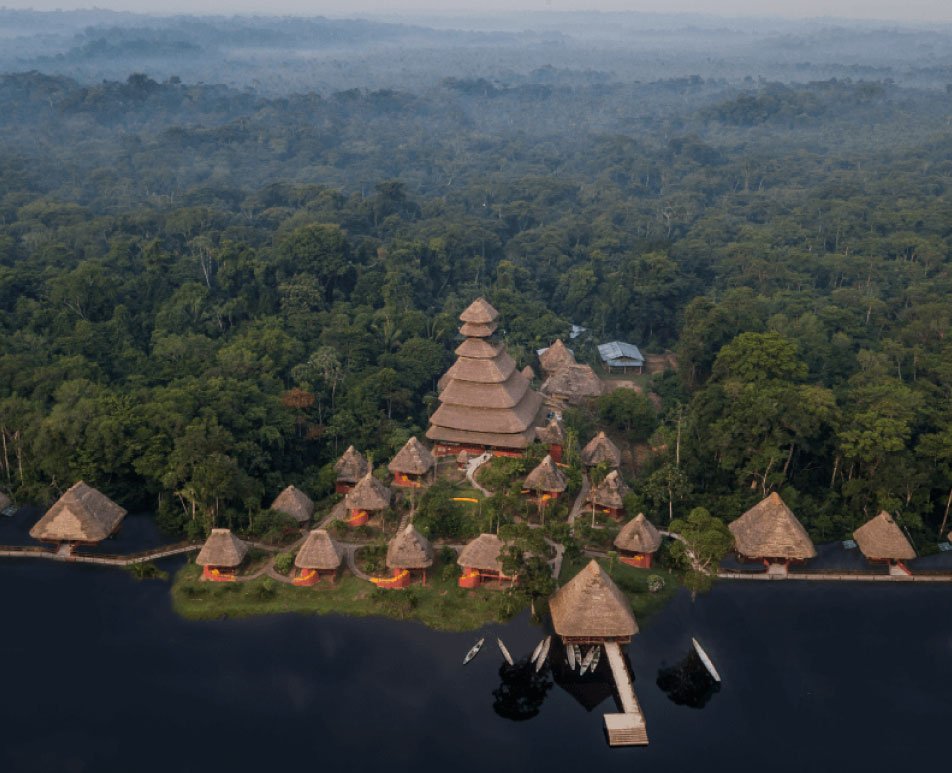
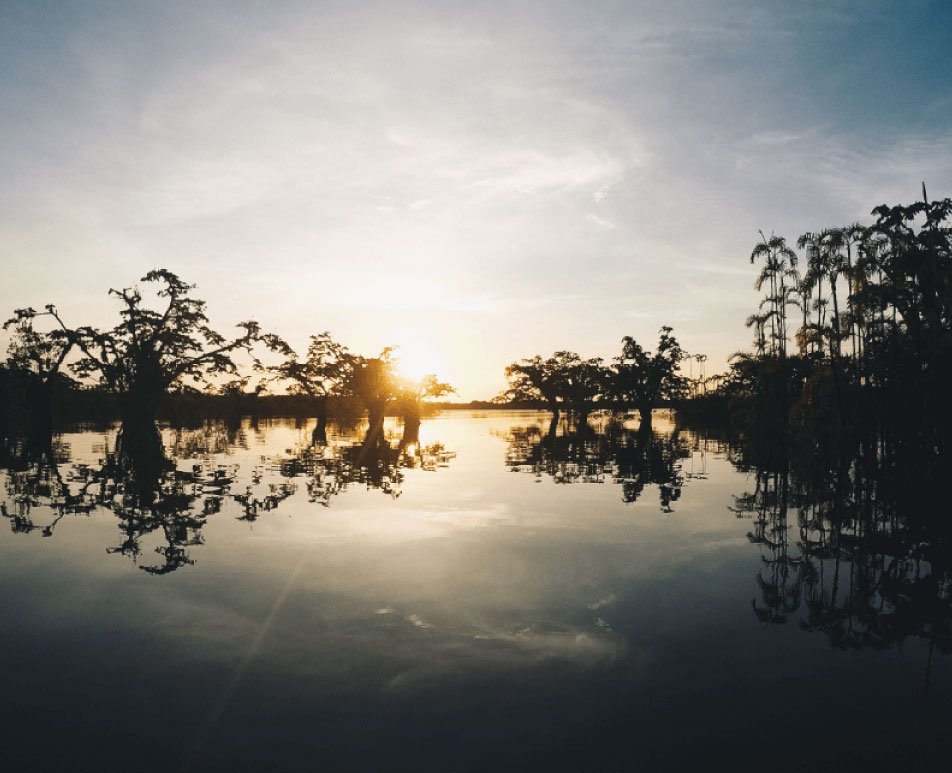

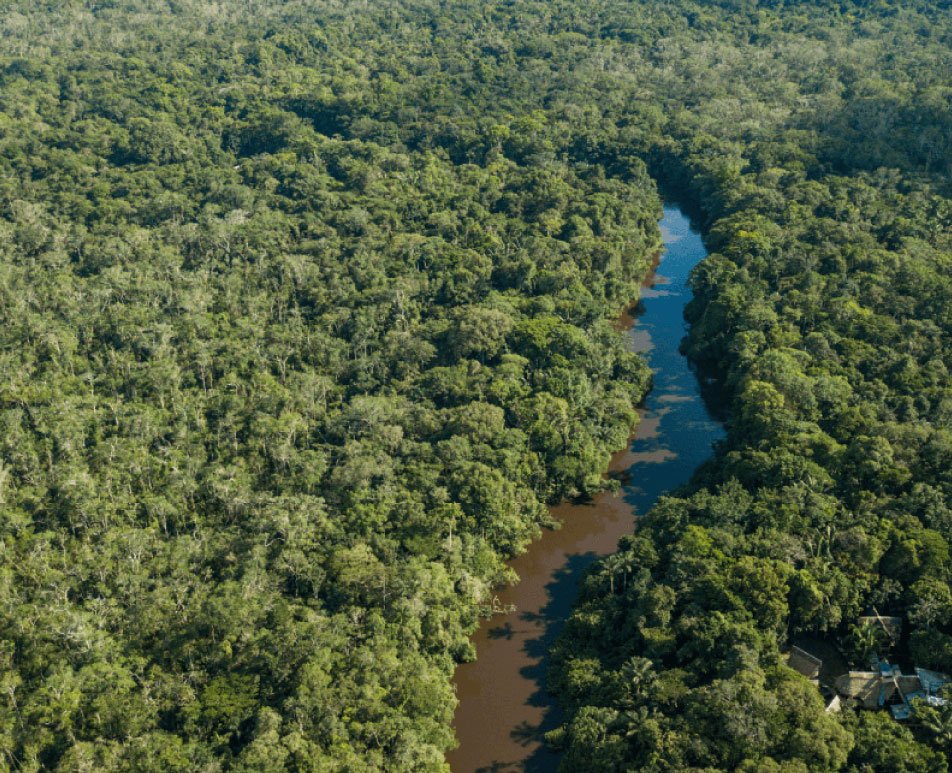
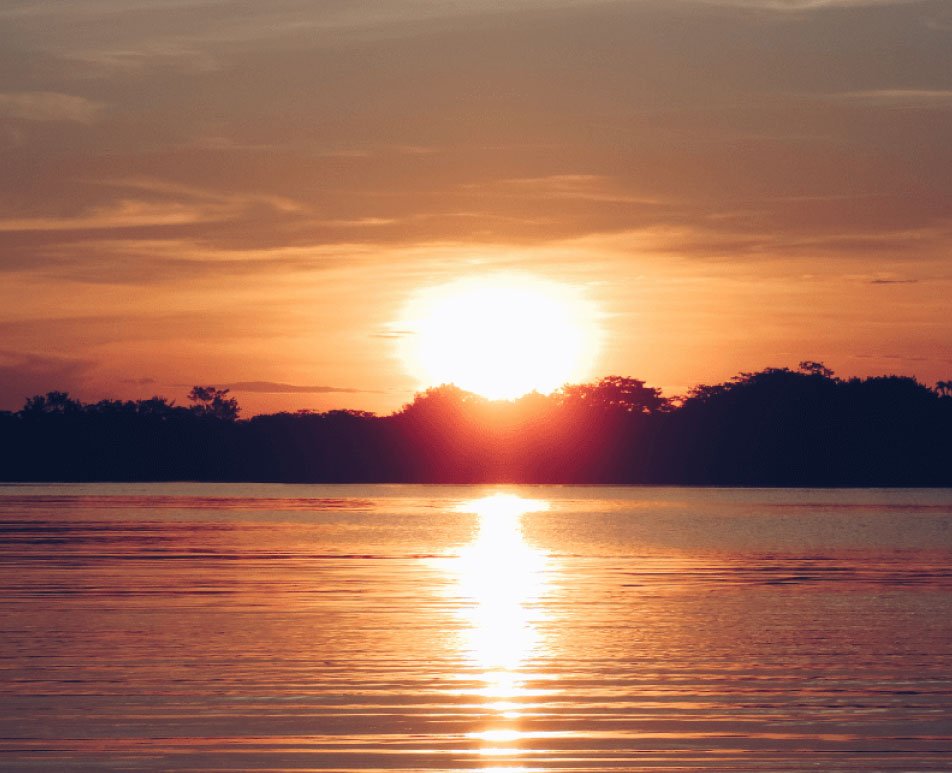
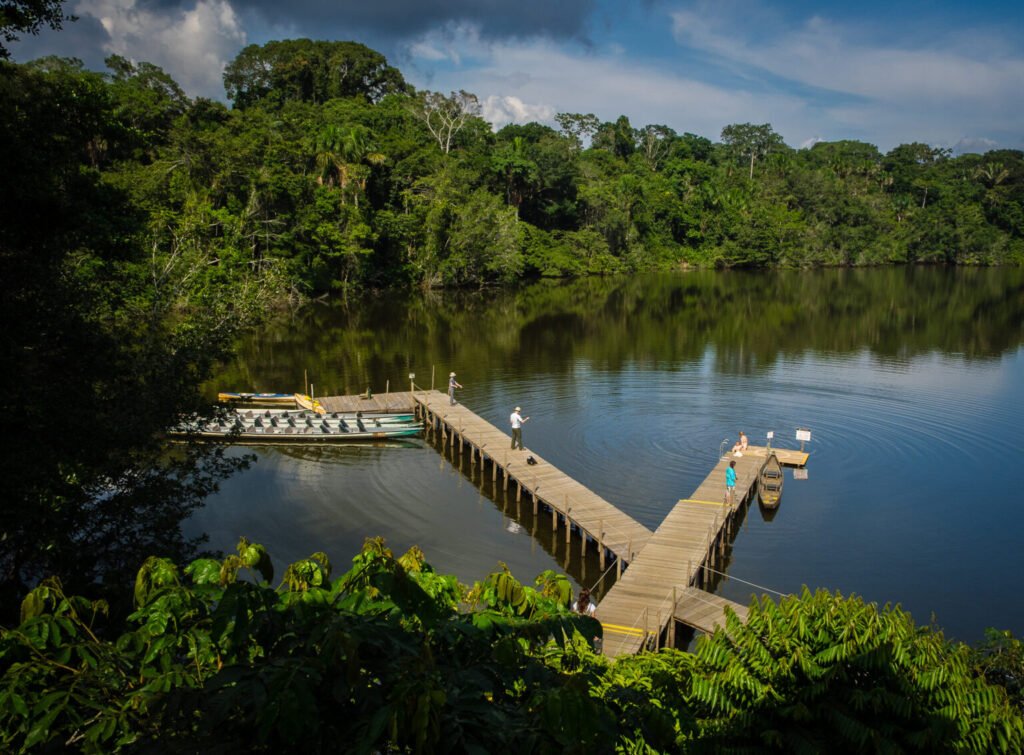
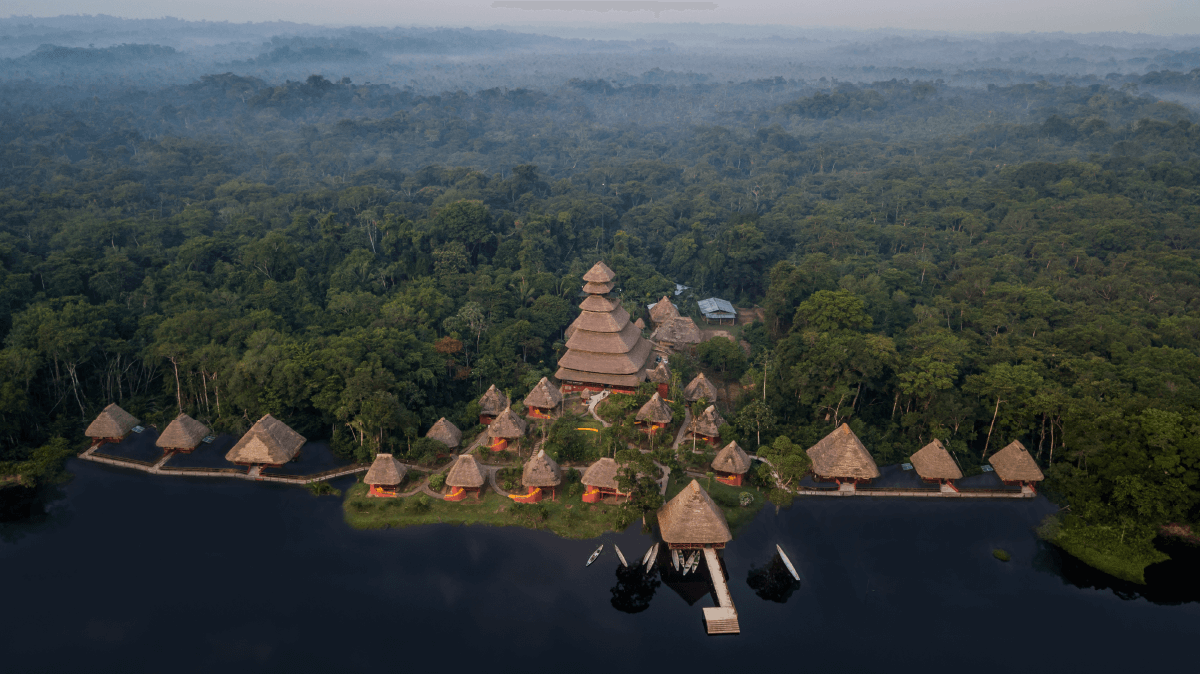
Established in 1979, the Cuyabeno Amazon Rainforest Reserve is the second largest protected area in Ecuador and one of the most remarkable ecosystems in the entire Amazon region.
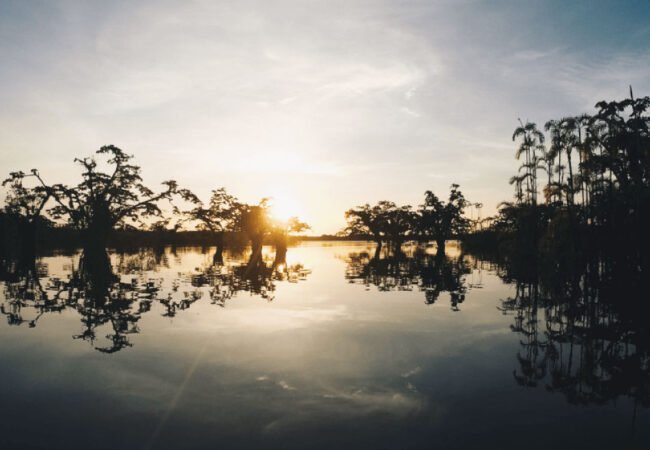
Located at the foothills of the Andes, Cuyabeno stands out for its unique ecological conditions. Unlike most Amazon reserves, it features a lowland flooded plain shaped by a network of rivers, lagoons, and seasonally inundated forests. Its proximity to the Andes creates a slightly cooler and wetter microclimate, resulting in a rich mix of species that makes this area truly special.
Although biodiversity studies vary, Cuyabeno is widely recognized as one of the most biologically rich regions in the upper Amazon basin. While neighboring areas such as Yasuni National Park are often cited as extremely diverse, Cuyabeno remains a paradise for wildlife lovers, researchers, and travelers seeking untouched nature.
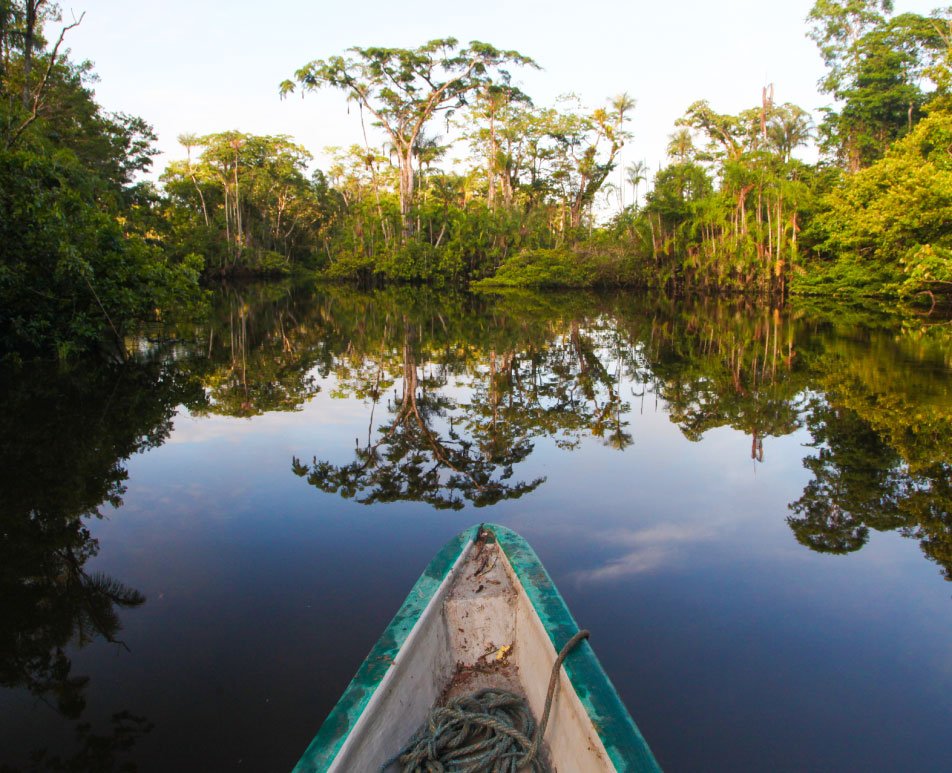
Created in 1979, Yasuni National Park is Ecuador’s largest mainland national park and a UNESCO Biosphere Reserve. Located in the heart of the Amazon rainforest, it protects an extraordinary range of ecosystems, from dry woodland forests to seasonally flooded jungle.
Yasuni is one of the most biodiverse places on Earth, often described as a living natural laboratory. It lies within the Napo moist forest ecoregion and preserves pristine primary rainforest, making it one of the most important conservation areas in the world.
The park is home to isolated indigenous groups, including the Tagaeri and Taromenane, who continue to live in voluntary isolation, maintaining ancestral traditions deep within the forest.
TAXES INCL/PERS
TAXES INCL/PERS
TAXES INCL/PERS
TAXES INCL/PERS

TAXES INCL/PERS

TAXES INCL/PERS
TAXES INCL/PERS
TAXES INCL/PERS
To receive our best monthly deals